Archive description (original)
A misty mountain landscape featuring a grassy slope with a low stone wall and a bush in the foreground, leading up to jagged peaks partially obscured by thick atmospheric fog.
Tags
- Score
- 7/10
- Taken
- 09/2026
Innovation Hub · Case study 03
Describe what you're looking for. Find what's there.
An archive for photos and video that describes, tags and rates every shot by itself. After that, everything can be searched in everyday language – for video, down to the exact second. The first archive holds several thousand Skyline Medien shots from five years.
 9/10
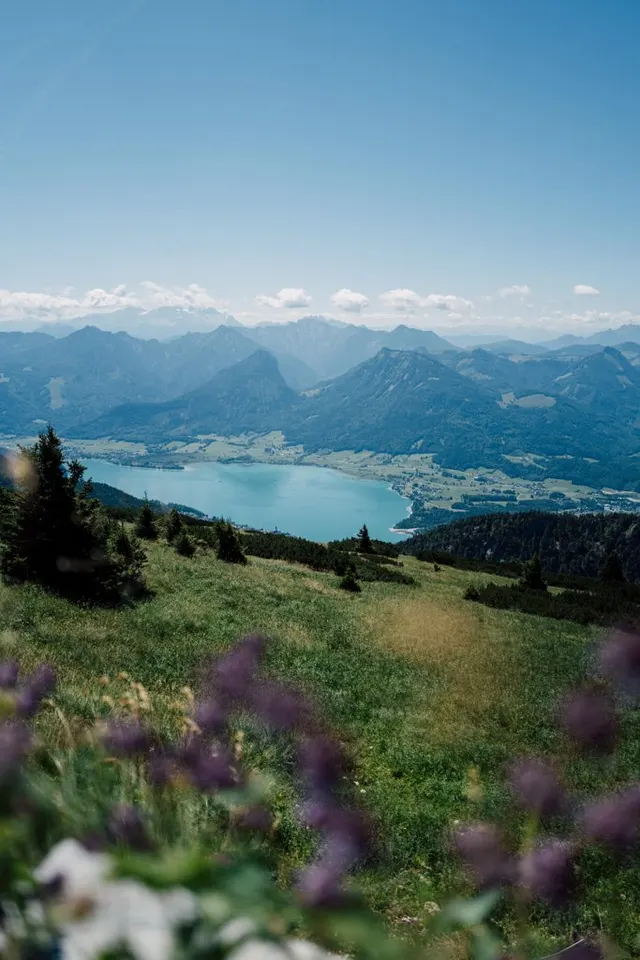 7/10
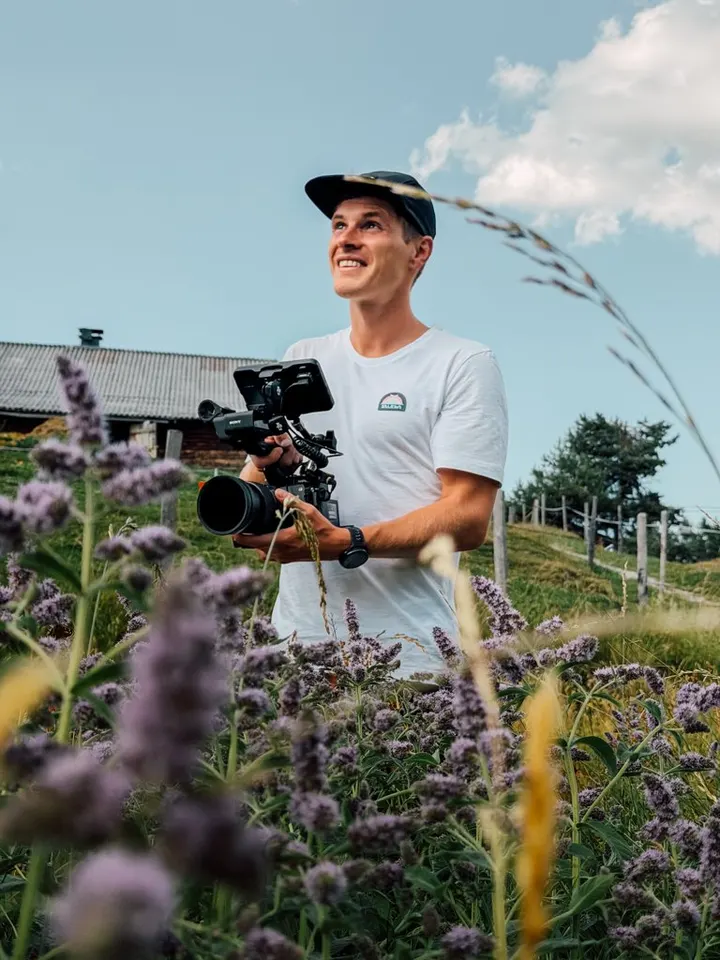 9/10
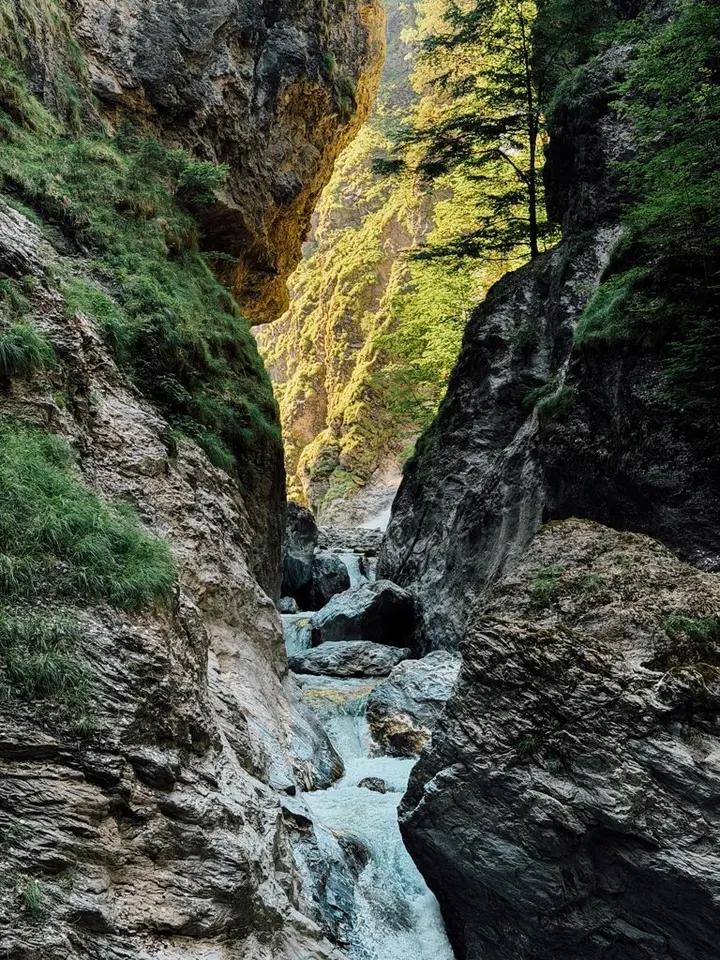 9/10
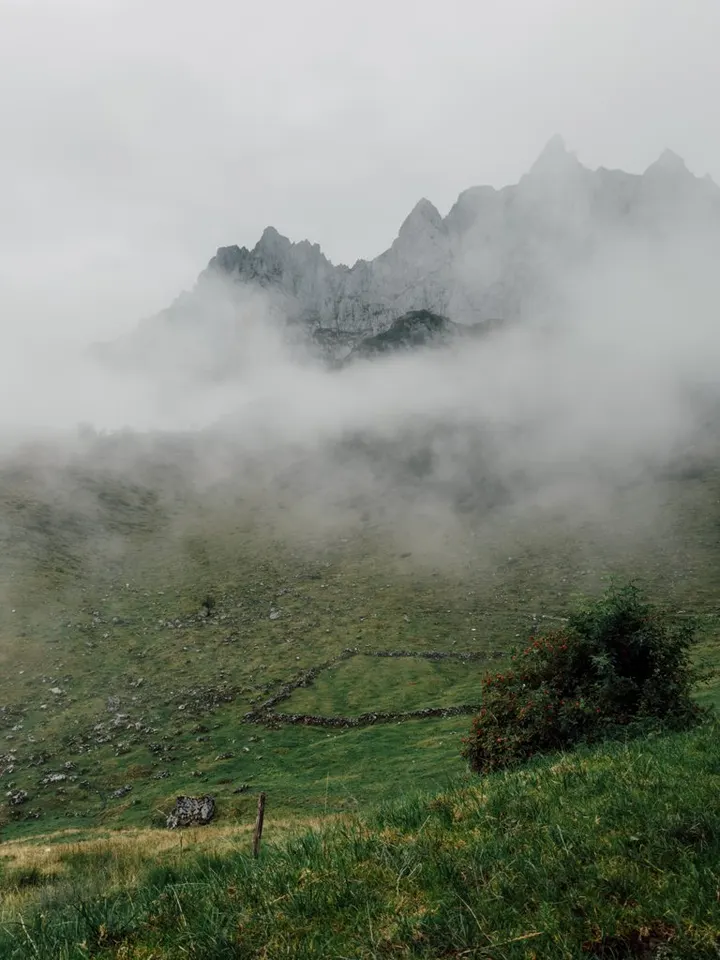 7/10
 6/10
Starting question
Try it
Real searches in the Skyline Medien behind-the-scenes archive. The searches are typed in German, the archive describes in English, and the search understands both.
Archive description (original)
A misty mountain landscape featuring a grassy slope with a low stone wall and a bush in the foreground, leading up to jagged peaks partially obscured by thick atmospheric fog.
Tags
Click an image to see what the archive recognised in it. Shown are the top hits of real searches.
What we built
The analysis runs on our own hardware in Austria. Images are not sent to any outside service for it.
Filters, full text, meaning and visual similarity are merged into one result.
Light, composition, colour, subject and technique are rated separately and only then added up to a score from 1 to 10.
Client galleries, social media copy suggestions and an interface that lets Claude or ChatGPT search the collection directly.
In numbers
What we learned
Next project
AgencyFlowTalk to us about a project like this